Operating computers without an Uninterruptible Power Supply (UPS) exposes critical hardware and data to severe risks. While many believe a UPS is a “set and forget” device, regular testing is essential—nearly 65% of UPS failures are caused by degraded batteries that go unnoticed until a power event occurs.
Why You Must Test Your UPS
A UPS is only as reliable as its internal battery, which naturally degrades over time. Testing ensures that when a blackout occurs, the unit can actually support the connected load.
- For Servers: In data centers, even one minute of downtime can be catastrophic. Regular testing—ideally two to four times a year—is necessary to confirm that batteries can provide enough runtime for servers to complete complex shutdown sequences.
- For Workstations: A failed UPS battery during a blackout means immediate loss of unsaved work. Quarterly testing helps identify “weak points” before a real power failure occurs.
- Methods of Testing:
- Self-Test: Most modern units have a button or software to perform a basic health check.
- Load Testing: This involves disconnecting the UPS from AC power to observe how long it supports the equipment compared to its estimated runtime.
- Professional Monitoring: Use automated tools like APC PowerChute to track voltage, internal resistance, and temperature trends.
The Dangers of Running Without a UPS
Relying solely on wall power leaves computers vulnerable to several “dirty power” events:
- Hardware Destruction: Sudden power surges can “fry” sensitive circuits in the motherboard, PSU, and GPU.
- Mechanical Failure: Sudden power cuts can cause “head crashes” or platter damage in mechanical hard drives (HDDs).
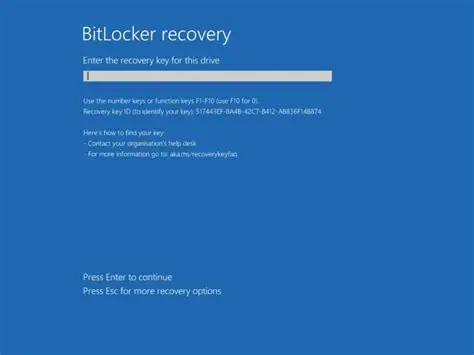
- Data and OS Corruption: If power cuts while the OS is writing critical files, it can lead to file system corruption, making the computer unbootable.
- Insidious Brownouts: These voltage drops account for 87% of power problems. They force components to work harder, generating excess heat that prematurely ages hardware.
The Financial Impact of Power Failures — A single power event can result in significant repair or replacement costs:
- Workstation Repair & Replacement:
- High-End Power Supply (PSU): $250 – $750+ for parts and labor, especially for workstations requiring high-wattage or redundant units.
- Motherboard Replacement: $400 – $1,200+. Enterprise-grade or enthusiast boards often require specialized labor, pushing total repair costs higher than a simple swap.
- Labor Rates: Professional IT diagnostics and on-site emergency repairs now typically range from $150 to $300 per hour in many markets.
- Server & Professional Recovery Costs:
- Server Hardware: Replacement for specialized server motherboards or proprietary power modules typically starts at $1800 and can exceed $6,000 for mission-critical rack systems.
- Professional Data Recovery: For mechanically damaged RAID arrays, costs in 2025–2026 range from $1,500 to $10,000+ for each drive due to complexity of the rebuild.
- The Cost of Downtime:
- Small Businesses (SMBs): Estimated at $10,000 to $50,000 per hour. Even “micro” businesses with under 25 employees now average over $2,500 per minute in lost productivity and revenue.
- Large Enterprises/Commercial: Now averages $300,000 to $1.9 million+ per hour. High-stakes sectors like finance or manufacturing report losses exceeding $5 million per hour for unplanned outages.
- Per Incident Cost: The average commercial power outage for a mid-sized firm is now estimated at $82,000 per event.
Recommended APC Power Protection Solutions
For maximum reliability, APC by Schneider Electric provides industry-standard solutions tailored for specific environments:
- For Performance Workstations & Home Offices:
- APC Back-UPS Pro Series: Ideal for power-hungry performance computers and external storage. Features like Automatic Voltage Regulation (AVR) protect against brownouts without draining the battery.
- For Servers & Network Closets:
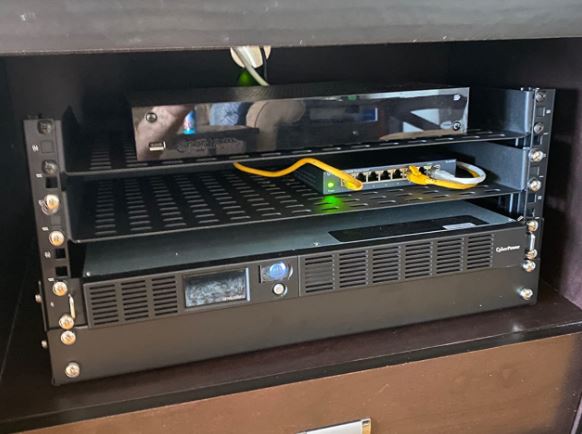
- APC Smart-UPS (Line-Interactive): The world’s most popular UPS for servers. Lithium-ion models now offer up to 3X the battery life (8–10 years) compared to standard batteries.
- APC Smart-UPS X: A convertible rack/tower solution with “green mode” for high efficiency and the ability to add external battery packs for extended runtime.
- For Mission-Critical Data Centers:
- APC Smart-UPS On-Line (SRT Series): Provides true double-conversion power protection with zero transfer time, ensuring the highest level of stability for critical applications.
Sources & Further Reading on Power Risks
- Analysis of Power Outage Costs to US Customers (Oak Ridge National Laboratory)
- The Five Main Power Problems and Their Impact (Eaton/Tripp Lite)
- ITIC 2024 Hourly Cost of Downtime Report Analysis
- Power Interruptions and Severe Computer Damage (Olympia Computer)
- https://www.encomputers.com/2024/03/small-business-cost-of-downtime/
- https://kollective.com/the-hidden-costs-of-it-outages/